
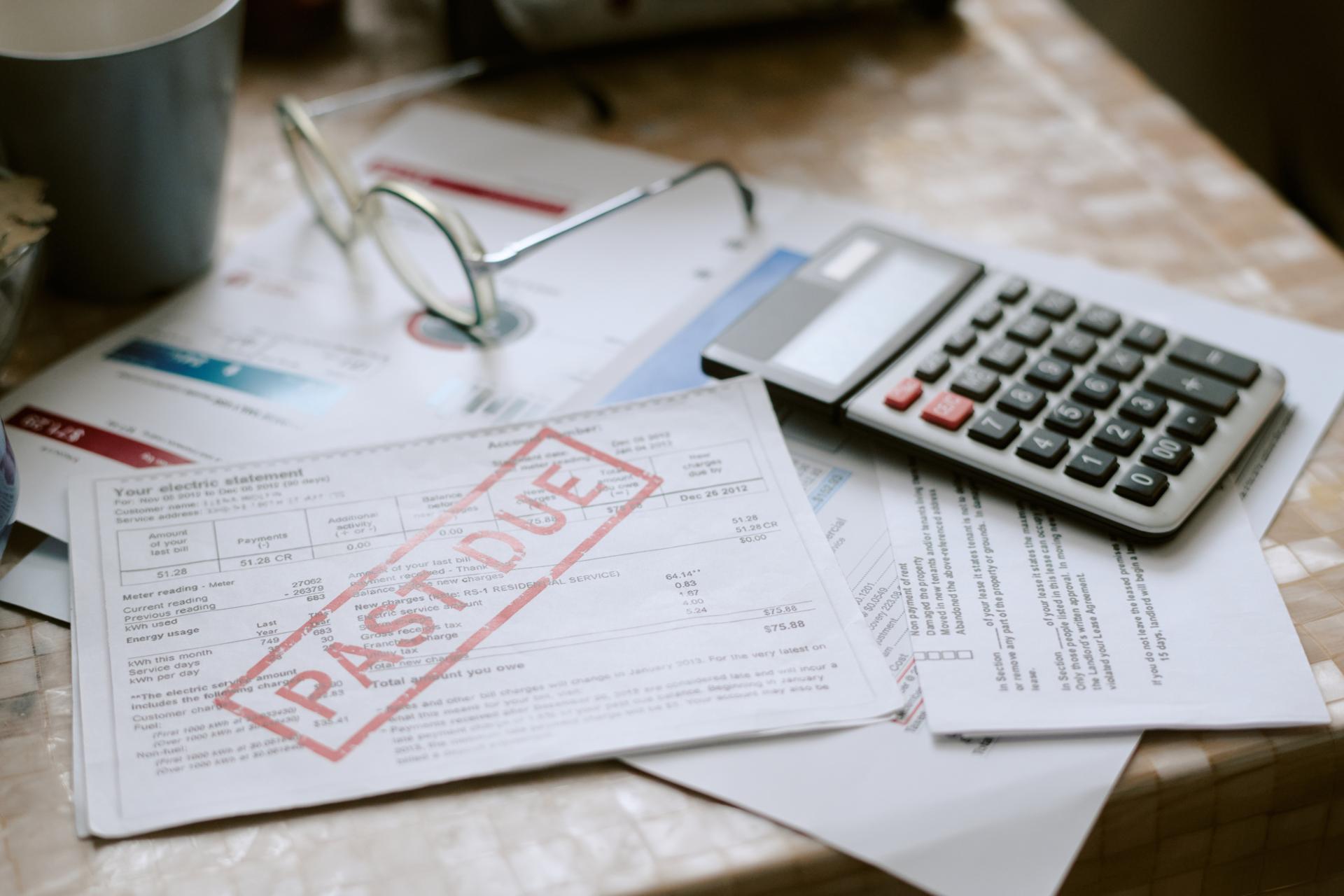
You delivered the work, sent the invoice, and received a promise to pay. Then the customer stopped responding or said the work was never approved. The invoice matters, but a successful contract claim usually requires more: proof of the agreement, your performance, the customer’s failure to do what the agreement required, and the resulting loss.
The actual agreement
Collect the signed contract or proposal, purchase orders, statements of work, accepted estimates, amendments, and the emails or texts that set the scope and price. Check who signed for the customer, whether payment depends on a milestone or approval, whether the invoice matches an agreed rate, and whether the customer made a documented complaint about performance. If the project changed, trace each additional task to a request and approval rather than assuming that an invoice alone proves it was authorized.
Prove delivery and calculate the claim
Put the file in chronological order: request, agreement, work performed, delivery or acceptance, invoice, due date, payments, credits, and objections. For goods, retain delivery confirmations and any rejection. For services, retain the work product, progress reports, and correspondence. Separate the original amount owed from agreed interest, late fees, or other charges. A realistic accounting makes a demand more credible and makes settlement easier.
Check the contract before sending a demand
Your agreement may require a particular notice address, a chance to cure, mediation or arbitration, or a specific process before services may be suspended. A written demand should identify the agreement, the work and invoices, the amount claimed, the contractual basis, and a reasonable date for response. It should also ask the customer to identify any disputed item and the reason for withholding payment. Avoid threatening remedies that the contract or law does not support.
Texas law can allow recovery of reasonable attorney’s fees on a valid contract claim if statutory requirements are met, including presentment and an opportunity to pay the just amount owed. Fees are not automatic. Limitations periods also matter; many Texas contract and debt claims are subject to a four-year period, but the starting date and any applicable contract provision or special rule require case-specific review. Waiting until an unpaid invoice is old can make both collection and proof harder.
Choose the next step to fit the amount at stake
Some customers will pay after a careful reconciliation or a lawyer’s demand. Others have a genuine performance dispute or an inability to pay. The available documents, likely defenses, collectible assets, forum clause, and amount at stake should guide whether to negotiate, mediate, arbitrate, or sue. A contract review before the next deal can also tighten approval, billing, and change procedures so the same problem is less likely to repeat.
Fields Law helps Austin and Central Texas businesses assess payment and contract disputes and pursue practical resolutions.