
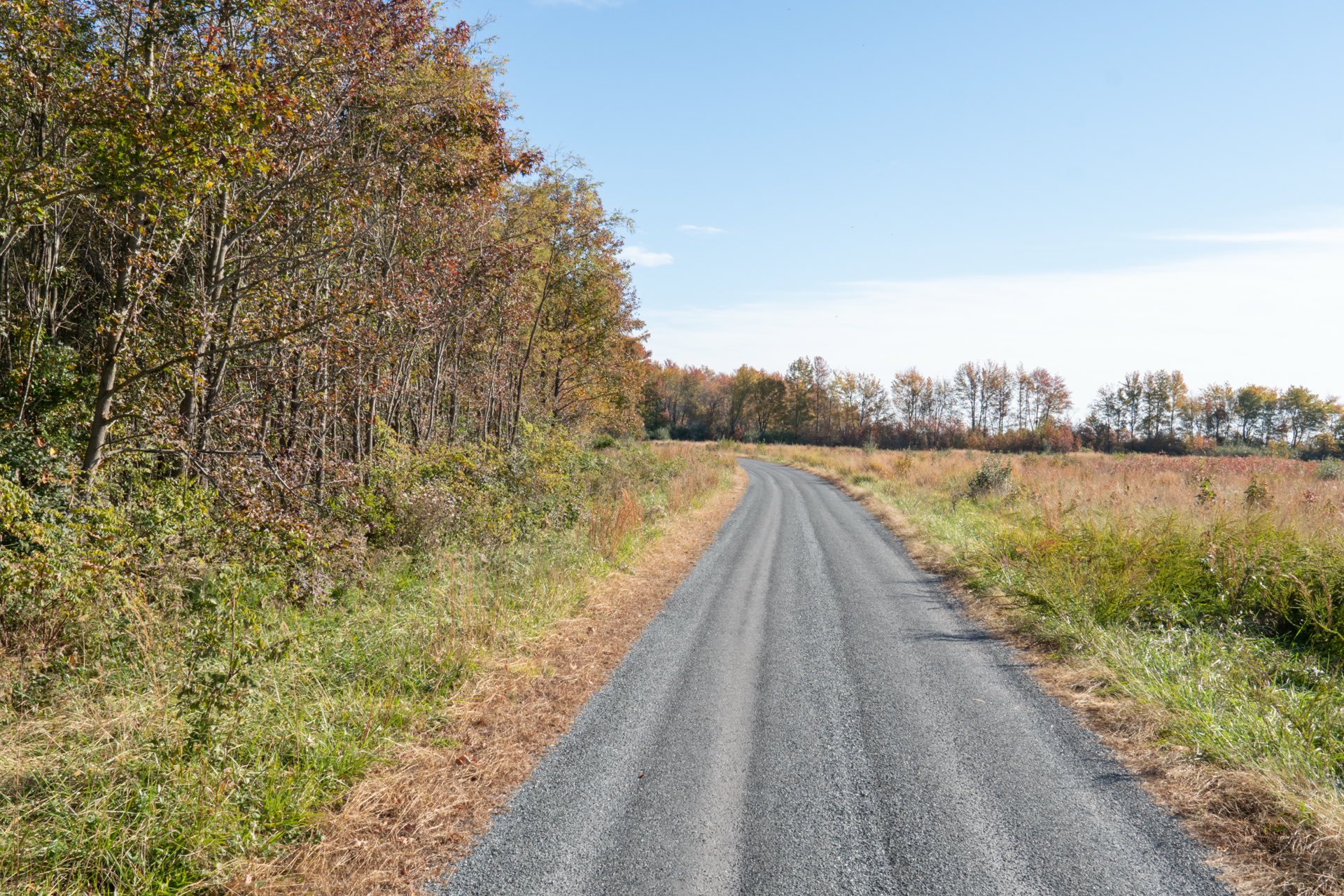
The gravel has washed out and everyone uses the private road, but no one agrees who should pay. The first question is whether a deed, easement, road agreement, or other recorded document already divides the cost. If it does, start with that language and the actual work proposed. A duty to repair the existing road does not automatically answer whether someone may widen, pave, relocate, or redesign it.
Ownership of the Ground Does Not Answer the Bill
The road may cross one owner’s land while benefiting another owner’s parcel. That does not necessarily mean the landowner under the road must pay every bill. Texas decisions recognize maintenance responsibility for an easement holder who alone uses the easement, absent a contrary agreement. When both owners use the road and the written terms are silent, the allocation is more uncertain.
It would be risky for either neighbor to assume that silence means an automatic 50/50 split.
Separate Routine Repair From a New Improvement
Before asking a neighbor to reimburse a contractor, identify the work precisely. Filling ruts, restoring drainage, replacing a failed culvert, paving gravel, and widening the travel lane can have different costs and effects. Ask for photographs and at least one itemized estimate. Compare the proposed work with the easement’s width, location, and stated purpose, and document which users benefit from or caused unusual damage.
A landowner should also check where the legal road lies before equipment arrives. Years of driving along a convenient track do not necessarily establish the right to grade outside the easement. Emergency access or a washout may require a quick practical solution, but the parties should still preserve the evidence and put their agreement in writing.
A Written Road Agreement Can Prevent the Next Dispute
Neighbors can agree on a practical formula based on use, number of parcels, or another measure they choose. The agreement should say what counts as routine maintenance, how major projects are approved, when bids are needed, how costs are collected, who handles damage from heavy vehicles, and whether a gate may be installed. If future owners should be bound, the parties should obtain legal advice on drafting and recording the agreement.
If the dispute is already active, send the other users the recorded documents, photographs, and a specific proposal. A conversation about a defined repair is more productive than a demand to ‘pay your share’ with no basis for the amount. Mediation may help preserve a working relationship where everyone will continue using the same road.
Fields Law helps Central Texas property owners review private road easements, maintenance terms, and disputed access rights